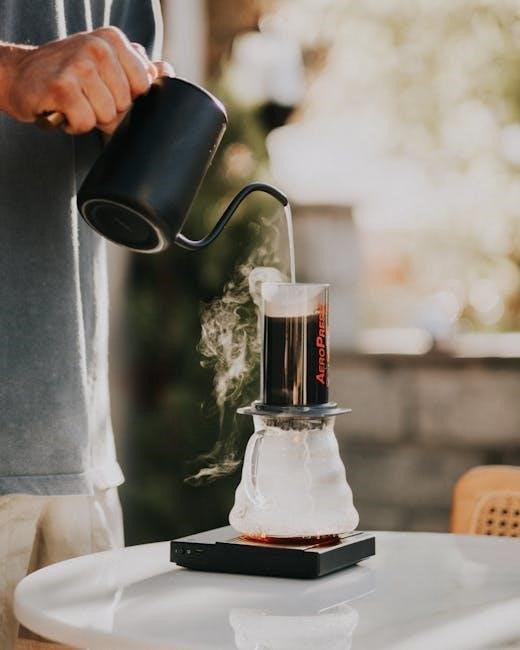
aeropress instructions pdf
AeroPress Instructions: A Comprehensive Guide (Based on Available Information ⏤ 12/11/2025)
Download the user manual PDF for the AeroPress and review the resources guide to get the most out of your AeroPress; download at aerobie-aeropress-user-manual․pdf․
Understanding the AeroPress and its Manual
The AeroPress is a versatile brewing device celebrated for its simplicity and ability to produce smooth, rich coffee․ To fully harness its potential, understanding the official AeroPress instructions is crucial․ The comprehensive user manual, available as a PDF – aerobie-aeropress-user-manual․pdf – provides detailed guidance on both standard and inverted brewing techniques․
This manual isn’t just a list of steps; it’s a resource for optimizing your brew․ It details component functions, safety precautions, and maintenance tips․ While many online resources offer brewing advice, the official PDF serves as the definitive guide, ensuring consistent results and safe operation․ Reviewing this manual will unlock the full spectrum of possibilities this brewing method offers․
Where to Download the AeroPress PDF Manual
Accessing the official AeroPress PDF manual is straightforward, ensuring you have the most accurate and up-to-date instructions at your fingertips․ The manual can be directly downloaded from various online sources, but a reliable link is readily available․ Search for “aerobie-aeropress-user-manual․pdf” to locate the file, which is offered as a free download․
This digital version provides convenient access on any device, allowing you to reference the brewing guidelines during your coffee preparation․ Having the PDF readily available eliminates the need for a physical copy and ensures you’re always following the manufacturer’s recommended procedures․ It’s a vital resource for both new and experienced AeroPress users․
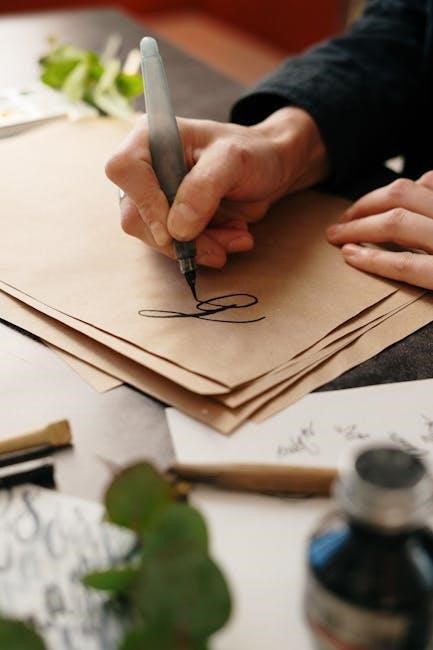
AeroPress Components: A Quick Overview
The AeroPress kit includes several key components essential for brewing․ A provided funnel facilitates grinding coffee directly into the chamber, minimizing mess and streamlining the process․ A scoop is also included, designed for accurately measuring coffee beans before grinding – grind only the amount needed for each press․ The AeroPress itself consists of a chamber and a plunger․
The plunger features a rubber seal, crucial for creating the pressure needed for extraction and maintaining a tight fit․ Proper seal maintenance is vital for optimal performance․ The manual (aerobie-aeropress-user-manual․pdf) details each part and its function, ensuring users understand how to assemble and utilize the AeroPress effectively․

Standard AeroPress Brewing Method
The standard brewing method involves installing the plunger, but not pressing it down, creating a vacuum seal for optimal coffee extraction․
Preparing the AeroPress for Standard Brewing
Preparing your AeroPress for a standard brew begins with assembling the chamber and cap․ Ensure the cap is securely screwed onto the chamber, creating a watertight seal crucial for the brewing process․
Next, insert the rubber plunger into the chamber, stopping just before reaching the coffee grounds․ This initial plunger placement establishes the foundation for controlled pressing․ It’s vital to avoid pressing down at this stage; the plunger serves only to create a seal․
Place the assembled AeroPress directly onto a sturdy mug or carafe, ensuring it’s stable and can withstand the pressure during plunging․ Remember to always eject used coffee grounds immediately after brewing․
Coffee Grind Size for Standard Method
For the standard AeroPress brewing method, a fine drip grind is generally recommended to achieve optimal extraction․ This grind size allows for sufficient contact time between the water and coffee grounds, resulting in a balanced and flavorful cup․
However, experimentation is encouraged! You can adjust the grind size based on your preference․ A slightly coarser grind may produce a cleaner cup, while a finer grind can yield a richer, more intense brew․
Remember, the goal is to find the sweet spot that suits your taste and the specific coffee beans you are using․ Grind only the scoops you need for each pressing to maintain freshness․
Water Temperature Recommendations
The ideal water temperature for brewing with the AeroPress typically falls between 175°F and 185°F (80°C and 85°C)․ This range allows for effective extraction without scorching the coffee grounds, preserving the delicate flavors and aromas․
However, adjusting the water temperature can be a powerful tool for optimizing your brew․ Lower temperatures generally result in a brighter, more acidic cup, while higher temperatures can enhance body and sweetness․
Experimenting with different temperatures is encouraged to discover what best complements your chosen coffee beans and personal preferences․ Remember to consider the roast level of your coffee when selecting a temperature․
Brewing Time and Plunging
Generally, a brewing time of 10-60 seconds is recommended for the AeroPress, though this is highly customizable․ Shorter brew times yield brighter, more acidic coffee, while longer times extract more body and potentially bitterness․
After the desired brewing time, begin plunging slowly and steadily․ Applying excessive force isn’t necessary; a smooth, controlled press is key․ Plunge immediately after steeping to avoid over-extraction․
The entire plunging process should take around 20-30 seconds․ If you encounter significant resistance, it could indicate the grind is too fine․ Consistent plunging pressure ensures even extraction and a clean cup․
Cleaning the AeroPress After Use
Immediate ejection of used coffee grounds is crucial for easy cleaning and preventing clogging․ After plunging, hold the AeroPress over a waste bin and depress the plunger fully to eject the puck․ Rinse the chamber and plunger thoroughly with warm water․
Disassemble the AeroPress – separate the chamber, plunger, and filter cap․ Wash all components with mild soap and water․ Ensure all coffee residue is removed, especially from the seal․
Proper storage involves pushing the seal all the way through the chamber․ This maintains its integrity and prevents damage․ Regular cleaning extends the lifespan of your AeroPress and ensures optimal performance․

Inverted AeroPress Brewing Method (With Caution)
Many people brew with the AeroPress upside down during steeping, but we recommend against this method due to potential breakage and spills․
Why the Inverted Method is Popular
The inverted AeroPress brewing method has gained significant popularity among coffee enthusiasts, despite official recommendations advising against it․ This preference stems from the perceived benefits it offers in controlling the brewing process and achieving a richer, more flavorful cup of coffee․
With the inverted method, the coffee and water remain in contact for a longer, user-defined steeping period without the risk of premature dripping․ This extended immersion allows for greater extraction of desirable compounds, resulting in a bolder and more complex flavor profile․
Furthermore, the inverted technique provides a degree of flexibility not readily available with the standard method, enabling brewers to experiment with various brewing parameters and fine-tune their recipes to suit their individual preferences․ However, it’s crucial to acknowledge the inherent risks associated with this approach․
Risks Associated with the Inverted Method
Despite its popularity, the inverted AeroPress brewing method carries inherent risks that users should be aware of․ The primary concern revolves around the potential for breakage and spills during the inversion and pressing stages․ Maintaining a secure seal while the AeroPress is upside down requires careful technique and can be challenging, especially for beginners․
If the seal is compromised, hot coffee and grounds can unexpectedly eject, posing a scalding hazard․ The pressure built up during plunging, when the AeroPress is inverted, also increases the risk of component failure․
The manufacturer explicitly recommends against this method, emphasizing these safety concerns; While many brewers successfully employ the inverted technique, it’s vital to proceed with caution and understand the potential dangers involved․
Steps for the Inverted AeroPress Method
Begin by inserting the plunger into the chamber a short distance, creating a stable base while inverted․ Add your desired amount of finely ground coffee․ Carefully pour hot water over the grounds, ensuring complete saturation․ Allow the coffee to steep for your preferred duration – typically between 30 seconds and a minute, adjusting to taste․
Gently stir the mixture to ensure even extraction․ Place a pre-wetted filter into the cap and securely screw the cap onto the chamber․ Now, carefully and quickly flip the AeroPress onto your mug․
Apply steady, even pressure to the plunger, pressing down slowly until you hear a hissing sound, indicating completion․
Securing the AeroPress During Inversion
When utilizing the inverted method, stability is paramount to prevent accidents and spills․ Insert the plunger into the chamber, but do not press it down․ This creates a secure, airtight seal that holds the AeroPress in place while inverted․ Ensure the plunger is firmly seated to avoid any wobbling or potential detachment during the brewing process․
A stable surface is crucial; avoid uneven or slippery countertops․ Exercise caution and maintain a firm grip when flipping the AeroPress onto your mug․ Remember, the manufacturer recommends against this method due to the inherent risks of breakage and spills, so proceed with care․
Optimizing Your AeroPress Brew
That being said, you can optimise your brewing method for a particular coffee or if you want a richer brew, adjusting variables accordingly․
Adjusting Coffee-to-Water Ratio
Adjusting the coffee-to-water ratio is a fundamental aspect of optimizing your AeroPress brew, allowing for personalized flavor profiles․ You can easily double or even triple the amount of coffee and water used to press multiple servings simultaneously, streamlining the brewing process for larger groups or individual preferences․
Experimentation is key; start with the standard recommended ratio and incrementally adjust it to discover what best suits your taste․ Increasing the coffee concentration will yield a bolder, more intense flavor, while decreasing it will result in a lighter, more nuanced cup․ Remember to meticulously document your adjustments to consistently recreate your ideal brew․
This simple modification offers a powerful means of tailoring your AeroPress experience, unlocking a spectrum of flavors from a single, versatile device․
Experimenting with Grind Size
Experimenting with grind size is crucial for mastering the AeroPress, significantly impacting the final brew’s flavor and body․ The standard method generally benefits from a fine drip grind, but venturing beyond this baseline unlocks a world of possibilities․ A coarser grind can produce a cleaner, brighter cup, while a finer grind extracts more oils, resulting in a richer, more full-bodied brew․
Utilize the provided funnel when grinding directly into the AeroPress, ensuring minimal mess and efficient transfer․ Remember that grind size interacts with brewing time; finer grinds require shorter brew times to avoid over-extraction and bitterness․ Keep detailed notes of your grind settings and corresponding results to refine your technique․
Impact of Water Temperature on Flavor
Water temperature profoundly influences the AeroPress brew, dictating the extraction of different flavor compounds․ While specific recommendations vary, generally, hotter water (around 175-185°F or 80-85°C) extracts more flavors, leading to a bolder, more robust cup․ However, excessively hot water can scorch the coffee, resulting in bitterness․
Conversely, cooler water extracts fewer compounds, yielding a brighter, more acidic brew․ Experimenting within this range allows you to tailor the flavor profile to your preference and the specific coffee beans used․ Consider preheating the AeroPress chamber to maintain a stable temperature during brewing, optimizing extraction consistency․
Brewing Multiple Servings at Once
The AeroPress offers flexibility in brewing volume․ If you desire a richer brew, you can double or even triple the amount of coffee and water to press two or three servings simultaneously․ This is a convenient option for sharing or preparing larger quantities․ However, remember that increasing the volume may require slightly adjusting the brewing time to ensure optimal extraction․
Maintain the coffee-to-water ratio for consistent flavor․ Use a fine drip grind for best results when brewing multiple servings․ Be mindful of the increased resistance during plunging with a larger volume, applying steady, even pressure․

Troubleshooting Common AeroPress Issues
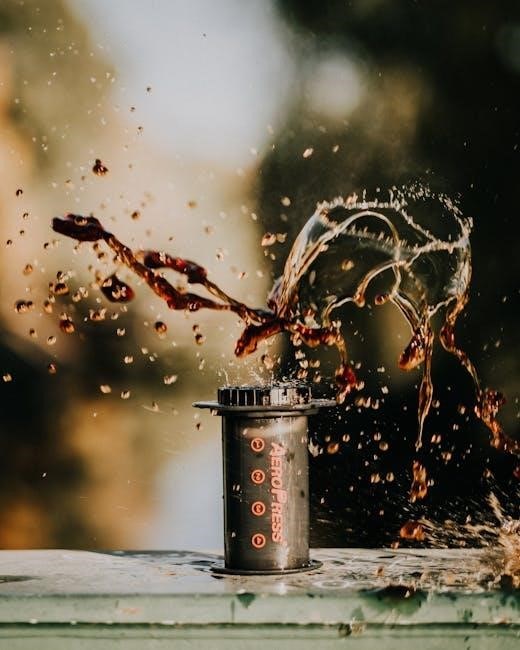
Common issues include slow plunging and spills․ Always eject used coffee grounds immediately after brewing, and review the manual PDF for guidance․
Dealing with Slow Plunging
Experiencing resistance during plunging is a frequent concern for AeroPress users․ Several factors can contribute to this issue, and addressing them often resolves the problem․ Firstly, ensure your coffee grind isn’t too fine; excessively fine grounds create significant resistance․ Refer to the manual PDF for recommended grind sizes․
Secondly, confirm you’re not using an excessive amount of coffee․ A balanced coffee-to-water ratio is crucial․ The manual PDF provides guidance on optimal ratios․ Finally, ensure the AeroPress components are properly aligned and the seal is intact․ A compromised seal can hinder the plunging process․ Review the manual PDF for maintenance tips and proper assembly instructions to avoid these issues․
Preventing Spills During Brewing
Spills can occur, particularly when using the inverted method, but are avoidable with careful technique․ The manual PDF strongly advises against the inverted method due to the increased risk of spills and potential breakage․ If employing the standard method, ensure the AeroPress is placed on a stable, level surface․
Avoid overfilling the chamber, and when plunging, apply steady, even pressure․ Rapid or forceful plunging can displace coffee and cause spills․ The manual PDF details proper plunging technique․ Always eject used coffee grounds immediately after brewing to relieve pressure and prevent accidental spills during cleanup․ Review the manual PDF for detailed safety precautions․

Addressing Breakage Concerns
The AeroPress is generally durable, but the manual PDF highlights potential breakage risks, especially with the inverted method․ Applying excessive force during plunging is a primary cause of cracks or complete failure of the plastic components․ Avoid over-tightening the plunger and always eject used grounds immediately after brewing to reduce stress on the chamber․
The manual PDF recommends against the inverted method due to the increased strain on the seal and chamber during steeping․ Proper storage, with the seal pushed all the way through, also minimizes stress․ If cracks develop, discontinue use immediately and consider replacing the AeroPress․ Refer to the manual PDF for warranty information․

AeroPress Accessories and Tools
A funnel is provided for use with a coffee grinder; use the scoop to measure beans into the grinder for each pressing, as detailed in the manual PDF․
Using the Included Scoop
The AeroPress comes equipped with a handy scoop designed for precise coffee measurement, streamlining your brewing process․ Refer to your AeroPress user manual PDF for recommended scoop quantities based on your desired brew strength․ The scoop isn’t just for coffee beans; it’s also ideal for transferring ground coffee to the AeroPress chamber, especially when paired with the included funnel․
For optimal results, grind only the amount of coffee needed for each pressing, utilizing the scoop to measure beans directly into your grinder․ This ensures freshness and minimizes waste․ The manual emphasizes using the scoop in conjunction with the funnel to prevent spills and maintain a clean brewing environment․ Remember to consult the PDF for specific guidance on scoop measurements for different coffee types and preferences․
Utilizing the Funnel for Grinding
The AeroPress includes a funnel specifically designed to work seamlessly with your coffee grinder, simplifying the transfer of grounds into the brewing chamber․ The AeroPress user manual PDF details how to properly position the funnel for a spill-free experience․ It’s recommended to grind only the amount of coffee needed for each brew, and the funnel facilitates this by creating a neat channel for the grounds․
Using the funnel minimizes mess and ensures all the coffee makes it into the AeroPress, maximizing your yield․ The manual suggests using the scoop in tandem with the funnel for even greater precision․ Refer to the PDF for visual aids demonstrating the correct funnel placement and usage techniques, ensuring a clean and efficient brewing process every time․
Importance of Maintaining the Seal
The AeroPress relies heavily on a proper seal between the chamber and the plunger for effective brewing and, crucially, safe operation․ The AeroPress user manual PDF emphasizes the importance of pushing the seal “all the way through” after each use․ This action not only cleans the chamber but also ensures the seal remains pliable and maintains its integrity․
A compromised seal can lead to leaks during pressing, potentially causing spills and reducing brewing efficiency․ Regularly checking the seal for damage, as outlined in the PDF, is vital․ Maintaining this seal is also a safety precaution, preventing unexpected pressure release․ Proper storage, with the seal pushed through, further protects it, guaranteeing optimal performance with each brew․

Safety Precautions and Maintenance
Always eject used coffee grounds immediately after brewing, as detailed in the AeroPress user manual PDF, and store the device with the seal fully pushed through․
Proper Storage of the AeroPress
Proper storage of your AeroPress is crucial for maintaining its longevity and ensuring optimal performance with each brew․ The AeroPress user manual PDF explicitly recommends storing the device with the plunger pushed completely through the chamber after use․
This action not only cleans the chamber but also maintains the integrity of the rubber seal, preventing it from drying out or becoming misshapen․ Storing it in this configuration also minimizes any potential for residual coffee grounds to remain within the device, reducing the risk of unwanted flavors in future brews․
Avoid storing the AeroPress disassembled for extended periods, as this can make reassembly more difficult․ A cool, dry place is ideal, away from direct sunlight and extreme temperatures․
Ejecting Used Coffee Grounds Immediately
The AeroPress user manual PDF strongly advises ejecting used coffee grounds immediately after brewing․ This practice is vital for preventing the grounds from drying and hardening within the chamber, which can make removal significantly more difficult․
Prompt ejection also minimizes the potential for lingering coffee oils to impart unwanted flavors to subsequent brews․ A simple push of the plunger, following the brewing process, efficiently dislodges the spent grounds into your compost or waste receptacle․
Delaying this step can lead to a compacted puck of grounds, requiring excessive force to remove and potentially damaging the AeroPress components․ Consistent, immediate ejection ensures a clean and flavorful brewing experience every time․
Avoiding Excessive Force During Plunging
The AeroPress user manual PDF emphasizes avoiding excessive force when plunging․ Applying undue pressure isn’t necessary for effective extraction and can potentially lead to breakage of the device or even spills during the brewing process․
A smooth, consistent pressure is all that’s required to push the plunger through the chamber․ If you encounter significant resistance, it may indicate that the coffee grind is too fine, or there’s an obstruction․
Resist the urge to force the plunger; instead, adjust your grind size or check for any grounds blocking the filter․ Gentle, controlled plunging ensures a safe and enjoyable brewing experience, preserving the integrity of your AeroPress․