
stories to read to baby in womb pdf free
Article Plan: Stories to Read to Baby in Womb (PDF Free)
Discover the enriching practice of prenatal storytelling! This guide explores the benefits‚ science‚ and resources – including free PDF downloads – for bonding with your baby.
A beautiful and increasingly popular practice is emerging: reading to babies still within the womb. This isn’t simply a modern fad; it’s rooted in growing scientific understanding of fetal development and the powerful impact of auditory stimulation. Parents are actively seeking ways to connect with their unborn children‚ and prenatal storytelling offers a uniquely intimate and accessible method.
The desire to foster early bonds‚ coupled with readily available resources – including a surge in free PDF baby books and online story collections – is fueling this trend. Relaxation techniques‚ like reading aloud‚ are now recognized as essential components of a healthy pregnancy‚ offering benefits for both mother and child. This practice provides a soothing experience and potentially stimulates cognitive development.
The Science Behind Fetal Hearing
Understanding when and how babies hear in the womb is crucial to appreciating the benefits of prenatal storytelling; While fully developed hearing emerges later‚ the foundation begins much earlier. By the second trimester‚ a baby’s auditory system is developing‚ and they begin to detect vibrations.
Importantly‚ studies demonstrate that third-trimester babies not only hear sounds but also recognize their mother’s voice. This recognition is a key developmental milestone. The soothing tones of a mother’s voice demonstrably lower a baby’s fetal heart rate‚ indicating a calming effect and establishing those vital auditory bonds that extend beyond birth. This makes reading aloud a powerful tool.

When Does a Baby Start Hearing in the Womb?
The journey of fetal hearing begins surprisingly early‚ though it’s a gradual process. While a baby isn’t “hearing” in the same way as after birth‚ responses to sound start around 16-18 weeks gestation. Initially‚ these responses are to vibrations – the baby feels the sounds rather than distinctly hearing them.
By the second trimester‚ the auditory system is developing rapidly. Around 24-26 weeks‚ the baby can detect external sounds‚ including the mother’s heartbeat‚ digestive noises‚ and‚ crucially‚ her voice. The third trimester witnesses significant refinement‚ with babies becoming more attuned to familiar sounds and demonstrating a preference for the mother’s voice.
Recognizing the Mother’s Voice: A Key Development
The ability to recognize the mother’s voice is a remarkable feat of prenatal development. Studies indicate that babies in the third trimester not only hear their mother’s voice but actively recognize it shortly after birth. This recognition isn’t simply about the sound itself; it’s about the unique patterns‚ rhythm‚ and emotional tone associated with the mother.
This preference stems from consistent exposure throughout pregnancy. The mother’s voice is transmitted through the amniotic fluid‚ providing a constant auditory stimulus. This consistent exposure creates a strong neural connection‚ fostering a sense of comfort and security even before birth. Reading aloud reinforces this bond‚ familiarizing the baby with the mother’s voice and potentially influencing postnatal preferences.
Benefits of Reading to Your Unborn Baby
Reading to your unborn baby offers a multitude of benefits‚ extending beyond simple bonding. Research suggests that consistent auditory stimulation‚ like reading‚ can establish early auditory bonds‚ creating a sense of familiarity and connection that persists after birth. Furthermore‚ a mother’s soothing tones‚ experienced through reading‚ demonstrably lower a baby’s fetal heart rate‚ indicating a calming effect.
Perhaps most excitingly‚ prenatal reading may contribute to potential cognitive development stimulation. While the extent is still being studied‚ exposing the fetus to language patterns could lay a foundation for future language acquisition. Relaxation activities‚ such as reading aloud‚ are essential for a healthy pregnancy and overall well-being.
Establishing Early Auditory Bonds
The womb isn’t a silent place; it’s filled with sounds‚ and your voice is uniquely recognizable. Studies indicate that third-trimester babies not only hear but actively recognize their mother’s voice‚ a remarkable feat of prenatal development; Reading aloud consistently introduces your vocal patterns and rhythms to your baby‚ forging a strong auditory bond before birth;
This early exposure creates a sense of comfort and security‚ as the baby learns to associate your voice with safety and love. After birth‚ this pre-natal familiarity can aid in soothing and calming the newborn‚ facilitating a smoother transition to life outside the womb. It’s a beautiful way to begin a lifelong connection.
Calming Effects on Fetal Heart Rate
A mother’s soothing voice has a demonstrable physiological effect on her unborn child. Research shows that when a pregnant woman reads or speaks in a calm and gentle tone‚ the fetal heart rate tends to decrease. This reduction in heart rate signifies a state of relaxation and reduced stress for the baby within the womb.
Reading aloud provides a consistent and predictable auditory stimulus‚ creating a calming environment. This is particularly beneficial in counteracting the stresses of daily life. The rhythmic nature of storytelling further contributes to this calming effect‚ promoting a sense of peace and well-being for both mother and baby. It’s a natural and nurturing way to connect.
Potential Cognitive Development Stimulation
While the extent is still being researched‚ prenatal auditory stimulation may contribute to early cognitive development. Exposure to language patterns‚ rhythms‚ and sounds within the womb can potentially lay a foundation for future language acquisition and brain development. The Baby Books Project highlights embedding educational content‚ suggesting a proactive approach.
Repeated exposure to sounds‚ including the cadence of storytelling‚ helps the fetal brain begin to recognize and process auditory information. This early stimulation isn’t about teaching a baby to read before birth‚ but rather about creating a rich auditory environment that supports neurological growth and prepares the brain for learning after birth.

What Types of Stories are Best for Prenatal Reading?
Selecting appropriate stories for your unborn baby focuses on soothing sounds and simple structures. Simple rhymes and lullabies are excellent choices‚ as their repetitive nature and melodic qualities are easily processed by the developing fetal auditory system. Classic children’s literature‚ even in adapted forms‚ can also be beneficial‚ introducing a variety of vocabulary and narrative structures.
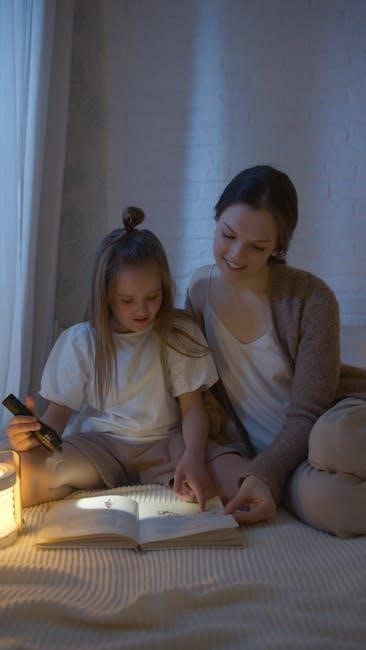
Prioritize stories with calming tones and positive themes. Avoid complex plots or frightening content. The goal is to create a relaxing and bonding experience‚ not to overwhelm the baby with information. Remember‚ the mother’s voice is key‚ so choose stories you enjoy reading aloud!
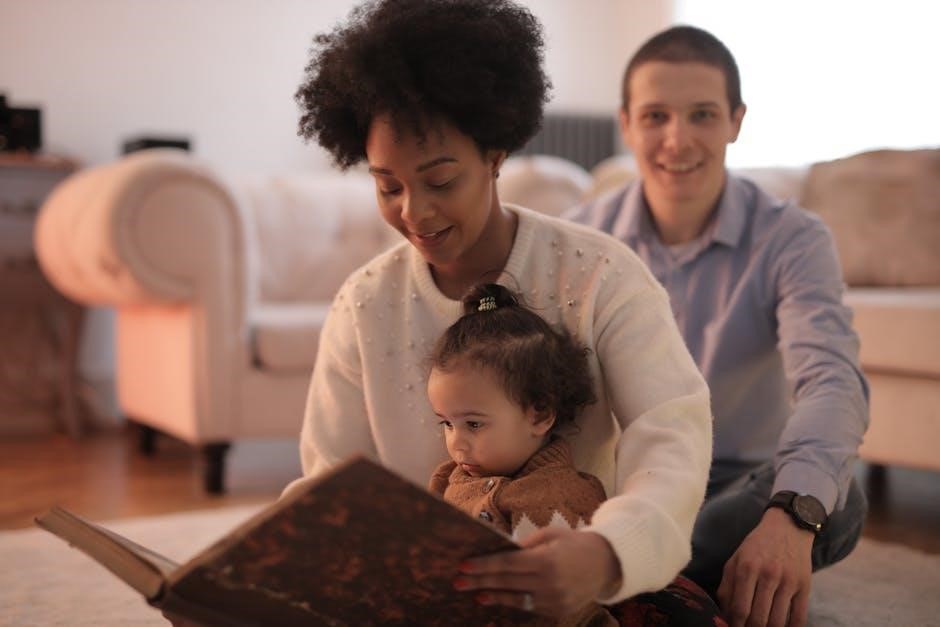
Simple Rhymes and Lullabies

Rhymes and lullabies are ideal for prenatal reading due to their inherent rhythm and repetition. These qualities are easily detectable by the developing fetal ear‚ creating a soothing and familiar auditory experience. The predictable patterns aid in early auditory processing and can even contribute to establishing a sense of calm within the womb.
Nursery rhymes like “Twinkle‚ Twinkle Little Star” or traditional lullabies offer a gentle introduction to language and sound. The consistent cadence and melodic structure are comforting for both mother and baby‚ fostering a strong emotional connection. Seek out collections of these classics in PDF format for convenient access!
Classic Children’s Literature Adaptations
While complex narratives aren’t ideal‚ simplified adaptations of classic children’s literature can be wonderfully engaging for prenatal reading. Focus on abridged versions with gentle storylines and repetitive phrases. Think of board book adaptations of stories like “The Very Hungry Caterpillar” or “Goodnight Moon‚” focusing on the core imagery and simple language.
These adaptations expose your baby to a wider vocabulary and narrative structure in a digestible format. Many publishers offer sample PDFs of their baby books online‚ providing a convenient way to access these stories. Remember to read with a soothing tone‚ emphasizing the rhythm and emotional content of the tale‚ creating a positive auditory experience.
Resources for Prenatal Storytelling: Finding Free PDFs
Locating free PDF resources for prenatal storytelling is easier than you think! Several online libraries and repositories offer downloadable baby book samples and short stories. Websites of publishers specializing in early childhood literature frequently provide free excerpts or complete PDFs as promotional material.
The Baby Books Project‚ focused on embedding educational content‚ may offer accessible materials. Explore websites dedicated to parenting and early literacy; many curate lists of free resources. Remember to prioritize content aligned with Bright Futures Guidelines‚ covering development‚ safety‚ and nutrition. Always ensure downloaded PDFs are from reputable sources to safeguard against malware.
Online Libraries and Repositories
Numerous online platforms serve as excellent repositories for free PDF storybooks suitable for prenatal reading. Internet Archive‚ a digital library‚ often hosts scanned copies of classic children’s literature‚ potentially including simplified adaptations. Project Gutenberg provides access to public domain books‚ offering a wealth of timeless tales.
Many public library systems now offer digital borrowing services‚ allowing access to ebooks and audiobooks – some available as PDFs. Explore dedicated children’s literature websites; they frequently link to free resources. Remember to verify the source’s credibility and ensure the content is age-appropriate and aligns with early childhood development principles.
Websites Offering Free Baby Book Samples (PDF)

Several publishers and baby-focused websites provide free PDF samples of their baby books‚ perfect for initiating prenatal reading. Look for promotional offers from publishers like Penguin Random House or HarperCollins‚ often showcasing excerpts from board books and early readers. Websites dedicated to parenting and early childhood education frequently compile lists of free resources‚ including downloadable book samples.
Baby brands sometimes offer free PDFs as part of marketing campaigns. Always check the terms of use and ensure the samples are appropriate for in-utero exposure – simple stories and gentle rhythms are ideal. Remember to prioritize reputable sources and scan downloads for malware.

The Baby Books Project & Educational Content
The NICHD-funded Baby Books Project investigated embedding educational information within baby books to enhance maternal and child health outcomes. This innovative approach utilized the Bright Futures Guidelines for Health Supervision‚ integrating crucial topics like infant development – physical‚ cognitive‚ and emotional – alongside safety practices and maternal self-care.
Content also covered breastfeeding benefits‚ effective discipline strategies‚ and vital nutrition recommendations. This project demonstrates a commitment to leveraging early literacy as a vehicle for delivering essential health information to new parents‚ potentially influencing positive parenting practices from the very beginning.
Bright Futures Guidelines Integration
The Baby Books Project strategically incorporated content directly from the Bright Futures Guidelines for Health Supervision. These guidelines‚ developed by experts‚ provide comprehensive recommendations for pediatric healthcare‚ spanning a child’s development from infancy through adolescence.
Integrating these guidelines into baby books ensured parents received evidence-based information alongside engaging stories. Key areas included monitoring infant physical growth‚ supporting cognitive stimulation‚ fostering emotional well-being‚ and promoting safe practices. This approach aimed to seamlessly blend education with enjoyable reading experiences‚ empowering parents with knowledge from a trusted source.
Topics Covered: Development‚ Safety‚ and Nutrition
The embedded educational content within the Baby Books Project addressed crucial aspects of maternal and child health. Developmentally‚ books offered insights into infant physical‚ cognitive‚ and emotional milestones‚ aiding parents in understanding their baby’s growth.

Safety practices were prominently featured‚ covering topics like home safety‚ car seat usage‚ and preventing accidental injuries. Furthermore‚ the project emphasized the importance of nutrition‚ specifically promoting breastfeeding benefits and providing guidance on appropriate feeding strategies. These topics‚ drawn from Bright Futures Guidelines‚ aimed to equip parents with essential knowledge for a healthy start.
Creating Your Own Prenatal Reading Routine
Establishing a consistent reading schedule is key to maximizing the benefits of prenatal storytelling. While there’s no strict rule‚ aiming for at least a few times a week‚ even for short durations‚ is recommended. Sessions of 15-30 minutes can be incredibly impactful.
Prioritize finding a comfortable and relaxing environment where you can fully enjoy the experience. A cozy chair‚ dimmed lighting‚ and a peaceful atmosphere can enhance the bonding process. Remember‚ the goal is to create a soothing experience for both you and your baby‚ fostering a positive connection through the power of storytelling.
Recommended Frequency and Duration
Consistency is more important than lengthy sessions when reading to your unborn child. Aim for reading aloud several times a week‚ even if it’s just for 15-30 minutes each time. Studies suggest that third-trimester babies recognize their mother’s voice‚ making regular exposure beneficial.
Don’t feel pressured to read extensively; short‚ frequent interactions are ideal. The soothing tones of your voice are as important as the story itself‚ helping to lower the baby’s fetal heart rate and establish early auditory bonds. Integrate reading into your daily routine – perhaps before bed or during a relaxing moment.
Finding a Comfortable Reading Environment
Creating a peaceful atmosphere enhances the prenatal reading experience for both mother and baby. Choose a quiet space where you can relax without distractions – a cozy armchair‚ a peaceful bedroom‚ or even outdoors on a calm day.
Prioritize your own comfort; sit or lie down in a position that feels supportive and relaxed. Dim lighting and gentle background music can further promote tranquility. Remember‚ the goal is to create a soothing experience‚ as relaxation activities like reading aloud are essential for a healthy pregnancy and fetal well-being.
Beyond Storytelling: Other Prenatal Auditory Stimulation
While reading is beneficial‚ enriching your baby’s auditory world extends beyond stories! Incorporate gentle music – classical pieces or lullabies – to provide varied soundscapes. Singing to your unborn child is also incredibly impactful; your voice is uniquely recognizable and comforting.
Studies demonstrate that third-trimester babies recognize their mother’s voice‚ establishing early auditory bonds. Talking to your baby‚ even simply narrating your day‚ fosters connection. These auditory experiences contribute to calming effects on fetal heart rate and potentially stimulate cognitive development‚ complementing the benefits of prenatal storytelling.
Music and Soundscapes
Introduce your baby to a world of sound beyond the spoken word! Gentle music‚ particularly classical compositions or soothing lullabies‚ creates a calming prenatal environment. Soundscapes mimicking natural rhythms – like rainfall or ocean waves – can also be beneficial.
The key is moderation and variety. Avoid excessively loud noises‚ and opt for sounds that promote relaxation. Remember‚ the baby is developing their auditory system‚ and exposure to diverse sounds can contribute to cognitive stimulation. These auditory experiences work synergistically with reading‚ fostering a rich prenatal sensory experience and strengthening the maternal-fetal bond.
Talking and Singing to Your Baby
Your voice is the most recognizable and comforting sound to your unborn child! Studies demonstrate that babies in the third trimester not only hear but also recognize their mother’s voice. Regular conversation‚ even simply narrating your day‚ establishes a crucial auditory connection.
Singing‚ whether lullabies or your favorite songs‚ adds another layer of emotional resonance. The soothing tones lower the fetal heart rate‚ promoting relaxation and bonding. This early vocal interaction lays the foundation for language development and strengthens the emotional bond that will continue after birth. It’s a simple‚ powerful way to nurture your little one.