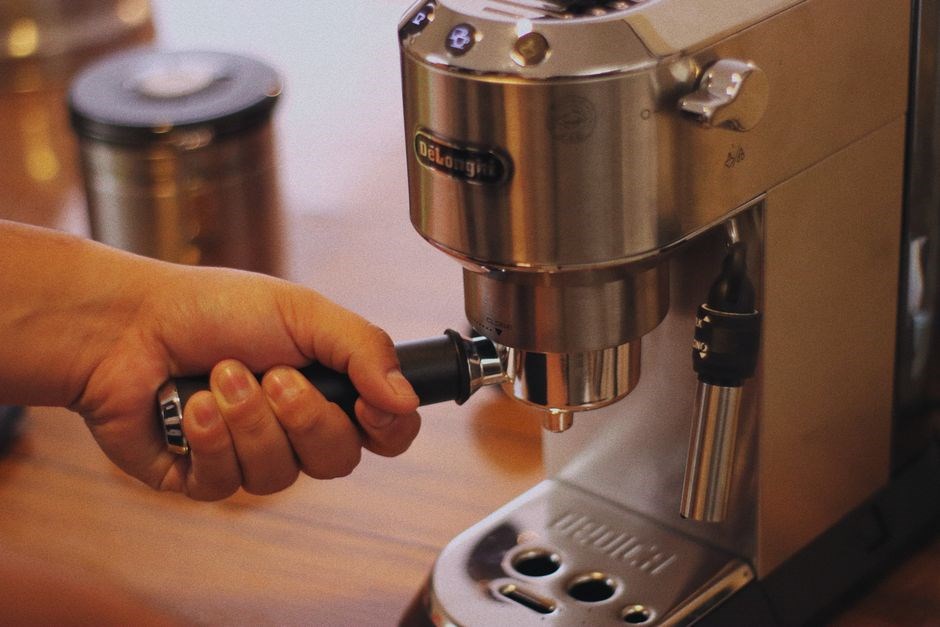
delonghi magnifica decalcification instructions
Descaling a DeLonghi Magnifica removes mineral buildup that can clog internal parts and degrade flavor. Start by checking the machine’s indicator for a required descaling cycle. Use a commercial descaler or a vinegar‑water mix, fill the reservoir, and run the program as directed. Follow prompts for rinses;!!
Why Descaling is Essential
Mineral deposits from hard water accumulate inside the heating element, pump, and brew head, gradually reducing heat transfer efficiency and forcing the machine to work harder. Over time, this can cause overheating, increased energy consumption, and a decline in espresso crema quality. Regular descaling restores optimal flow, ensuring consistent pressure and temperature for each shot. It also prevents corrosion of internal metal parts, extending the lifespan of the machine. By maintaining a clean internal environment, you reduce the risk of clogs in the grinder and brew group, which can otherwise lead to uneven extraction and bitter flavors. Finally, a properly descaled Magnifica delivers a cleaner taste, preserving the intended flavor profile of your beans and protecting your investment in high‑quality coffee.
Descaling also protects the machine’s preventing mineral deposits from interfering with sensor accuracy, which can otherwise trigger false fault alerts or shutdowns. In regions with extremely hard water, neglecting descaling can lead to a buildup that forces the boiler to overheat, potentially damaging the heating element and shortening the warranty period. Moreover, a system ensures that the water temperature remains stable during the espresso extraction cycle, which is critical for achieving the proper balance of acidity, sweetness, and body in each cup By investing a few minutes in regular descaling, users can avoid costly repairs, maintain consistent brew quality, and enjoy the full flavor potential of their favorite beans
Required Supplies and Tools
Before beginning the descaling process, gather the following items to ensure a smooth and effective operation:
- Descaling solution: Choose a commercial de‑scale product specifically formulated for espresso machines, or prepare a natural alternative by mixing one part white vinegar with nine parts water. The solution should be fresh and free of additives that could leave residues.
- Clean water bottle or container: Use a clear, food‑grade container to hold the descaler during the cycle. This allows you to monitor the solution level and prevent overflow.
- Large, heat‑resistant container: Place a container beneath the brew head and steam wand to catch any dislodged limescale or descaler residue that may escape during the rinse phase.
- Soft cloth or sponge: After the cycle, wipe down the exterior, water reservoir, and drip tray with a damp cloth to remove any lingering mineral deposits.
- Paper towels or microfiber cloth: Keep these handy for quick drying of the machine’s surface and to absorb excess liquid from the drip tray.
- Timer or clock: Many descaling programs require precise timing for rinsing intervals. A simple kitchen timer will keep you on schedule.
- Optional: Descaling kit: Some DeLonghi models come with a dedicated descaling kit that includes a pre‑measured solution and a funnel for easy filling. If you have one, it can simplify the process.
Having these supplies ready before you start will help you complete the descaling procedure efficiently, maintain the machine’s performance, and preserve the quality of your espresso.
Preparing the DeLonghi Magnifica for Descaling
Power off the machine and unplug it. Let the internal parts cool for at least five minutes. Remove the water reservoir, empty it, and rinse with fresh water. Take out the drip tray, wash it with warm soapy water, and dry before re‑installing.
Locate the descaling indicator on the display. If the machine signals a required cycle, press the Descale button until the prompt appears. If no indicator shows, manually start the descaling mode via the maintenance menu.
Fill the reservoir with the chosen descaler, keeping the level below the maximum line. For a vinegar mix, combine 100 ml white vinegar with 900 ml water. If using a commercial product, follow the dilution ratio exactly. Place a clean container under the brew head and steam wand to catch any dislodged limescale.
Securely close the reservoir lid and re‑attach the drip tray. Turn the machine on and select the descaling option. The machine will guide you through the steps, including rinsing intervals. Avoid brewing or steaming during the cycle to keep the solution pure.
After the program ends, discard the used solution, rinse the reservoir, and refill with water for a rinse cycle. This removes remaining descaler residue before and rinse thoroughly.
While the machine is off, inspect the brew unit. Remove it, rinse under running water, and scrub the portafilter basket with a brush. Check the water filter; replace or clean it before starting the cycle to ensure proper flow.
Verify that internal hoses are free from kinks or blockages. Straighten them gently if necessary. A clear path for the descaling solution is essential for thorough limescale removal.
Descaling Procedure for the Magnifica S Series
Begin by ensuring the machine is switched off and unplugged. Let it cool for a few minutes. Remove the water reservoir, empty it, and rinse with fresh water. Place a clean container beneath the brew head and steam wand to catch the descaling solution.
Fill the reservoir with your chosen descaler. For a commercial product, follow the manufacturer’s dilution instructions. If using a vinegar solution, mix 100 ml white vinegar with 900 ml water. Close the reservoir lid securely.
Turn the machine on and press the Descale button until the display prompts you to start the cycle. Select the appropriate descaling mode for the S Series. The machine will automatically run the solution through the brew unit and steam wand.
When the cycle pauses for rinsing, open the reservoir, refill with clean water, and close the lid. Repeat the rinse step until the display indicates the process is complete.
After the final rinse, run a short water-only cycle to flush any remaining descaler. Then, run the descaling indicator by pressing the Descale button until the light turns off.
Finally, clean the brew unit, portafilter basket, and water filter. Reassemble all components, and the machine is ready for use.
If the machine still shows a descaling warning after the reset, repeat the descaling cycle once more. This ensures all residues are cleared and the internal pump is free of blockages.
Store the machine dry to avoid mineral buildup.
Descaling Procedure for the Magnifica XS Series
Power off the machine and unplug it. Let it cool for a few minutes. Remove the water reservoir, empty it, and rinse with clean water. Place a clean container under the brew head and steam wand to collect the descaling solution.
Fill the reservoir with a descaling solution. For a commercial descaler, follow the dilution ratio on the bottle. If using a vinegar mixture, combine 100 ml white vinegar with 900 ml water. Close the reservoir lid firmly.
Turn the machine on and press the Descale button until the display prompts you to start the cycle. Select the XS Series descaling mode. The machine will automatically push the solution through the brew unit and steam wand.
When the cycle pauses for rinsing, open the reservoir, refill with clean water, and close the lid. Repeat the rinse step until the display signals completion.
After the final rinse, run a short water‑only cycle to flush any remaining descaler. Then reset the descaling indicator by pressing the Descale button until the light turns off.
Clean the brew unit, portafilter basket, and water filter. Reassemble all parts, and the XS Series is ready for use.
If a descaling warning persists after the reset, repeat the descaling cycle once more to ensure all residues are removed.
Store the machine dry to prevent mineral buildup.
Additional note: Use fresh water for each cycle to enhance effectiveness and avoid residue buildup. daily Soon
Descaling Procedure for the Magnifica Start
Begin by unplugging the machine and allowing it to cool for a few minutes. Remove the water reservoir, empty it, and rinse with fresh water. Place a clean container beneath the brew head and steam wand to catch the descaling solution.
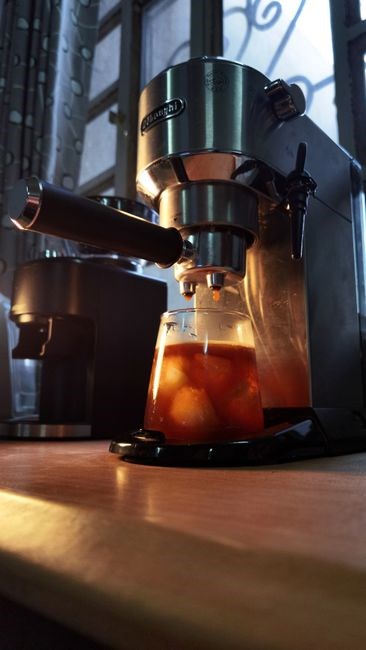
Fill the reservoir with a descaling solution: for a commercial descaler, follow the manufacturer’s dilution instructions; for a home‑made mix, combine 100 ml white vinegar with 900 ml tap water. Secure the reservoir lid firmly.
Power the unit back on and press the Descale button until the display prompts you to start the cycle. Select the “Start” mode. The machine will automatically push the solution through the brew unit and steam wand, clearing mineral deposits from internal lines.
When the cycle pauses for rinsing, open the reservoir, refill with clean water, and close the lid. Repeat the rinse step until the display indicates the process is finished. This ensures all descaler residue is flushed out.
After the final rinse, run a short water‑only cycle to remove any remaining descaler. Then reset the descaling indicator by pressing the Descale button until the light turns off, confirming the machine is ready for normal operation.
Finally, clean the brew unit, portafilter basket, and water filter. Reassemble all parts, and the Magnifica Start is ready for use. For optimal performance, use filtered water, descale every three months if your water is hard, and keep the machine dry when not in use.
Descaling Procedure for the Magnifica Evo
Unplug the machine, empty and rinse the reservoir. Fill with 100 ml vinegar + 900 ml water. Press Descale, let the solution run through brew and steam wand. Rinse twice with clean water, then reset the descaling light. Use filtered water. Keep machine dry now.
Descaler Solution Options
When descaling a DeLonghi Magnifica, you can choose between a commercial descaler or a home‑made vinegar solution. Commercial products such as DeLonghi’s own Descaler or other brands like Durgol, Urnex, or Philips are formulated to dissolve limescale quickly while protecting internal components. Follow the manufacturer’s instructions for dosage for the Magnifica: typically 1 tablet or 1 cup of liquid per 1 liter of water. Home‑made solutions use 1 part white vinegar to 4 parts water. The acidic nature of vinegar breaks down calcium deposits, but it can leave a slight odor that is removed after a thorough rinse cycle. For very hard water areas, it is advisable to use a commercial descaler to avoid residue buildup. If you prefer a natural option, add 1 tsp of baking soda after the vinegar rinse to neutralise acidity and eliminate any lingering smell. Always run at least two rinse cycles with clean water after descaling to ensure no chemical remains. The choice depends on water hardness, personal preference, and budget. Commercial descalers are more convenient and often include a protective coating for the heating element, whereas vinegar is cost‑effective and eco‑friendly. Whichever you choose, keep the machine’s manual handy for specific dosage and cycle times.
Descaling frequency varies with water hardness. In regions with hard water (hardness > 180 ppm), descale every 1–2 months. Softer water (≤ 120 ppm) may only need quarterly descaling. The machine’s internal sensors will trigger a warning light when limescale levels reach a critical threshold. Ignoring this can lead to clogged brew heads, reduced pressure, and even motor failure. Therefore, timely descaling is essential for maintaining optimal espresso quality and machine longevity.
After descaling, perform a maintenance rinse cycle. Fill the reservoir with fresh water, run the machine through a full brew cycle, then repeat with clean water. This removes any residual descaler or vinegar. Finally, wipe the steam wand with a damp cloth and run a short steam burst to clear any remaining deposits. Store the machine in a dry place and keep the reservoir covered when not in use to prevent dust accumulation.
Remember, using distilled water for rinses can further reduce mineral residue.
Water Hardness and Descaling Frequency
Water hardness is measured in parts per million (ppm) of calcium carbonate. The DeLonghi Magnifica’s internal sensors detect mineral buildup and trigger a descaling warning when the threshold is reached. In areas with very hard water (above 180 ppm), the machine should be descaled every 1–2 months to prevent clogs in the brew head, pressure loss, and potential damage to the heating element. For moderately hard water (120–180 ppm), a quarterly descaling schedule is recommended. If the local water supply is soft (below 120 ppm), a four‑month interval may suffice, but it is still prudent to monitor the warning light and perform a test descaling if any performance issues arise. Using a water softener or installing a reverse‑osmosis filter can reduce mineral load and extend the time between descaling cycles. It is essential to follow the manufacturer’s recommended descaler dosage for the specific water hardness level; over‑dosing can leave residues, while under‑dosing may leave limescale behind. After each descaling, run a full rinse cycle with fresh water to flush out any remaining chemicals. Keeping a log of descaling dates and water hardness readings helps maintain optimal machine performance and prolongs the lifespan of the Magnifica. For optimal longevity, consider installing a water softener or using filtered water, especially in hard‑water areas. Keep a maintenance log of descaling dates and water hardness; this practice ensures consistent performance and aids troubleshooting, extending the Magnifica’s lifespan and keep the brew group clean daily
Common Descaling Problems and Troubleshooting
If the Descale button remains lit after a full cycle, the machine may have a blocked brew head or a malfunctioning sensor. First, check the water reservoir for mineral deposits and clean it with a mild detergent. Next, remove the brew group and rinse the portafilter basket and filter housing thoroughly. If the machine still signals a descaling need, run a second descaling cycle using a slightly higher concentration of descaler, but do not exceed the manufacturer’s recommended dosage. A persistent “Descale” warning can also indicate a faulty descaling valve; in this case, consult the service manual for valve replacement or contact DeLonghi support. Another common issue is uneven water flow during the rinse phase, which can be caused by a clogged steam wand or a partially closed water inlet valve. Inspect the wand for mineral buildup and clean it with a descaling solution or a thin brush. If the machine displays a low water pressure error, ensure the water line is not kinked and that the inlet filter is clean. Finally, after each descaling, perform a full rinse cycle with fresh water, checking that the indicator light turns off. If problems persist, reset the machine by unplugging it for 30 seconds, then plugging it back in. This simple reset can clear temporary sensor glitches and restore normal operation. By following these troubleshooting steps, users can quickly identify and resolve descaling issues, ensuring their Magnifica delivers high‑quality espresso without interruption. And enjoy daily!!!?
Post-Descaling Care and Maintenance
After completing a descaling cycle, it is essential to perform a thorough rinse to remove any residual chemicals. Fill the reservoir with fresh, filtered water and run a full brew cycle without coffee grounds. This flushes the system and restores neutral taste.
- Daily cleaning: Wipe the exterior with a damp cloth and use a soft brush to clean the steam wand tip. This prevents buildup that can clog the nozzle.
- Filter replacement: Replace the water filter every 2–3 months, or sooner if you use hard tap water. A clean filter ensures efficient water flow and reduces mineral deposits.
- Descale schedule: For areas with hard water, descale every 4–6 weeks; for softer water, every 8–12 weeks. Adjust based on coffee usage and machine indicator alerts.
- Check seals: Inspect rubber gaskets on the water reservoir and brew group for cracks or wear. Replace any damaged seals to maintain a proper seal and prevent leaks.
- Run a maintenance cycle: Many models offer a maintenance or cleaning mode. Use it once a month to keep internal components free of residue.
By following these steps, you extend the life of your DeLonghi Magnifica, preserve flavor integrity, and avoid costly repairs. Remember to consult the user manual for model‑specific recommendations and safety precautions.
Tip: Store a small bottle of descaler in the cabinet for quick access during future maintenance cycles!!!
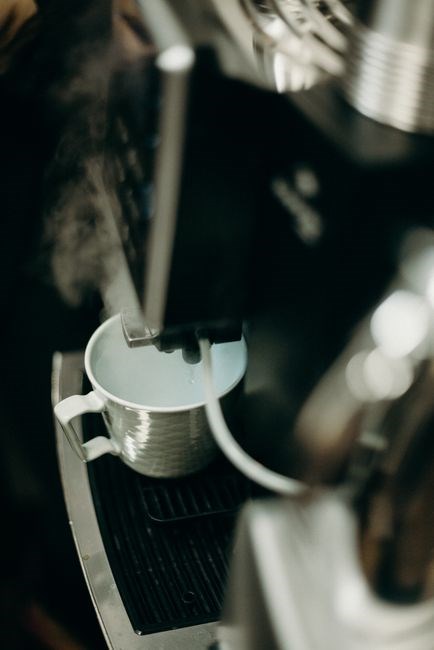
Alternative Descaling Methods
Home remedies like a 1:1 vinegar‑water mix can dissolve limescale. Fill the reservoir, run a full brew cycle, then rinse with clean water. Baking soda rinses neutralise acidity and reduce odor.
Commercial hard‑water descalers work at a 1:10 dilution. Run the descaling program, then double‑rinse. This is useful for stubborn deposits after vinegar use.
Steam‑wand flushes help clear scale from the nozzle. Insert a brush, run steam for a few minutes, rinse the wand with hot water.
Many newer models offer a manual maintenance cycle that circulates water through the system without coffee, keeping internal parts free of mineral buildup.
These alternatives give owners flexibility to match their schedule and budget.
Some users also try a citric acid solution: dissolve 1 tablespoon in a litre of water, run a cycle, rinse thoroughly. This method is gentle yet effective for light scaling.
A DIY descaler can be made by mixing equal parts lemon juice and water, heating to 70°C, then running a cycle. Lemon’s citric acid breaks down calcium deposits efficiently.
AAAAAAAAAAAAAAAAAAAAAAAAAAAAAAAAAAAAAAAAAAAAAAAAAAAAAAAAAAAAAAAAAAAAAAAAAAAAAAAAAAAAAAAAAAAAAAAAAAAAA

Frequently Asked Questions
- Q: How often should I descale my Magnifica?
- A: Typically every 3–4 months, or after 200–300 cups, depending on water hardness.
- Q: Can I use vinegar instead of commercial descaler?
- A: Yes, a 1:1 vinegar‑to‑water mix works, but rinse thoroughly to avoid taste.
- Q: What if the machine shows a descaling error?
- A: Reset the machine, check the water tank, and run a fresh descaling cycle.
- Q: Does descaling affect the coffee taste?
- A: Proper descaling restores original flavor; incomplete cycles may leave a metallic aftertaste.
- Q: Can I use the same descaler for both S and XS series?
- A: Yes, most commercial descalers are universal for all Magnifica models.
- Q: How long does a descaling cycle take?
- A: Usually 30–45 minutes, depending on the machine’s program.
- Q: Is it safe to descale with lemon juice?
- A: Lemon juice is mild; use a 1:10 dilution and rinse well to avoid residue.
- Q: What if the descaling solution only comes out of the steam wand?
- A: Check the wand for clogs; clean with a small brush before restarting the cycle.
- Q: Can I skip the rinse step?
- A: No, rinsing removes residual descaler and prevents taste issues.
- Q: What if the machine still shows limescale after descaling?
- A: Inspect internal hoses for clogs and consider service.
- Q: What if the machine still shows limescale after descaling?
- A: No, rinsing descaler issues.!!
Resources and Further Reading
For a comprehensive understanding of the descaling process, consult the official De Longhi user manual available in PDF format from the De Longhi Support Center. The manual provides model‑specific diagrams, safety warnings, and recommended descaler brands. Additionally, the FAQ section addresses common troubleshooting questions such as “Why does my machine indicate a descaling error?” and “How can I prevent limescale buildup?” For visual learners, the De Longhi YouTube channel hosts step‑by‑step videos, including “How to Descale a Magnifica S” and “Descaling the Magnifica Evo.” Community forums such as r/DeLonghi on Reddit and CoffeeForum.com offer user‑generated tips, alternative descaler recipes, and real‑world experiences. Professional service articles from ServiceLink detail advanced diagnostics for persistent scaling issues. Finally, reputable coffee blogs like CoffeeGeek and CoffeeBlog.com publish in‑depth reviews of descaling chemicals, comparing efficacy and cost. These resources collectively equip owners with the knowledge to maintain optimal machine performance and extend the lifespan of their De Longhi Magnifica series.
For advanced maintenance, the De Longhi Service Manual, downloadable from the manufacturer’s website, includes schematics for internal components and step‑by‑step descaling procedures for each model. A dedicated FAQ on the De Longhi Community Forum lists water hardness guidelines and recommended descaling frequency. Additionally, the European Union’s EEA publishes guidelines on water quality that help users determine the appropriate descaler strength. For those who prefer a DIY approach, the “Vinegar Descaling” tutorial on YouTube demonstrates a safe, cost‑effective method. Finally, the De Longhi Maintenance App (available for iOS and Android) sends reminders when a descaling cycle is due and logs previous maintenance actions for future reference.