
wii u console manual
Wii U Console Manual: A Comprehensive Guide
This comprehensive guide details the Wii U console‚ its features‚ setup‚ troubleshooting‚ and online services‚ offering 18 pages of information․
The Wii U represents Nintendo’s innovative leap forward‚ introducing a unique home console experience․ It was the first Nintendo console with native internet connectivity‚ enabling online gaming and digital distribution via the Wii Shop Channel․ This guide provides essential information for new and existing users‚ covering everything from initial setup to advanced features․ Discover the benefits of connecting your Wii U online and exploring its diverse gaming library‚ bridging the gap for both seasoned gamers and newcomers alike․
Understanding the Wii U System Components
The Wii U system comprises several key components working in harmony․ These include the Wii U console itself‚ the innovative Wii U GamePad‚ and optional accessories like the Wii Pro Controller‚ Wii Remotes‚ and sensors․ Understanding each component’s function is crucial for optimal use․ The console offers backwards compatibility with select accessories‚ enhancing the overall gaming experience and providing versatility․
Wii U Hardware Overview
The Wii U represents Nintendo’s foray into high-definition gaming and internet connectivity․ It features native online capabilities‚ enabling digital distribution via the Wii Shop Channel․ The console’s design incorporates various ports for connectivity‚ while the GamePad introduces unique touchscreen controls․ Early models boasted GameCube compatibility‚ expanding gaming options for enthusiasts․
Wii U Console Design and Ports
The Wii U console’s design prioritizes both functionality and aesthetics․ It features a sleek‚ compact form factor․ Regarding ports‚ the console includes HDMI for HD video output‚ USB ports for accessories and storage‚ an SD card slot for data transfer‚ and AV outputs for older televisions․ These ports ensure broad compatibility and connectivity options for users․
Wii U GamePad Features
The Wii U GamePad is a revolutionary controller boasting a 6․2-inch touchscreen‚ enabling unique gameplay experiences․ It incorporates motion controls‚ built-in speakers‚ and a camera for innovative interactions․ The GamePad facilitates “Off-TV Play‚” allowing users to game without a connected television․ It also integrates seamlessly with Miiverse‚ Nintendo’s social network․
Wii U Pro Controller Functionality
The Wii U Pro Controller offers a traditional gamepad experience‚ ideal for extended gaming sessions․ It features analog sticks‚ buttons‚ and shoulder triggers for precise control․ Compatible with both Wii U and Wii games‚ it provides comfortable ergonomics and enhanced grip․ Wireless connectivity ensures freedom of movement‚ while its rechargeable battery offers lasting playtime․
Setting Up Your Wii U Console
Initial setup involves connecting the console to your TV via HDMI and powering it on․ Follow the on-screen instructions for system configuration‚ including language and region settings․ Connecting to a network (Wi-Fi or Ethernet) is crucial for online features and updates․ User accounts are created‚ and save data management options are presented during this process․
Initial System Setup and Configuration
The initial setup guides you through essential configurations․ Select your preferred language‚ country‚ and time zone․ Create a user account or link a Nintendo Network ID (NNID)․ System updates will automatically download and install‚ ensuring optimal performance․ Parental controls can be configured to restrict access based on age ratings‚ providing a safe gaming environment․
Connecting to a TV and Audio System
Connect the Wii U console to your TV using an HDMI cable for the best visual experience․ Alternatively‚ composite or component video cables can be used․ For audio‚ connect to your TV or a dedicated audio system via HDMI‚ optical‚ or analog outputs․ Ensure proper cable connections for clear picture and sound․
Network Connection Setup (Wi-Fi & Ethernet)
Connect your Wii U to the internet for online gaming and eShop access․ Use an Ethernet cable for a stable wired connection‚ or configure Wi-Fi through the system settings․ Select your network‚ enter the password‚ and test the connection․ A stable internet connection enhances the Wii U experience significantly․
Navigating the Wii U Menu
The Wii U System Menu is your central hub for accessing games‚ settings‚ and online features․ Utilize the Wii U GamePad touchscreen for intuitive navigation․ Manage user profiles and save data efficiently․ Explore the interface to customize your experience and discover all the console’s capabilities․
Understanding the Wii U System Menu Interface
The Wii U System Menu presents a grid-based layout with icons representing games‚ applications‚ and system settings․ Use the Wii U GamePad or Pro Controller to navigate․ Access the Shop Channel for digital purchases․ Customize the menu’s arrangement to suit your preferences for quick access to frequently used features․
Using the Wii U GamePad Touchscreen
The Wii U GamePad’s touchscreen offers intuitive control within compatible games and applications․ Utilize it for menu navigation‚ in-game actions‚ and drawing․ Miiverse integration allows direct posting via the touchscreen․ Experiment with different touch gestures for varied interactions․ The touchscreen enhances gameplay and provides a unique user experience․
Managing Users and Save Data
The Wii U allows multiple user accounts‚ each with personalized settings and save data․ Access user management through the System Menu to add or delete users․ Save data is stored on the console’s internal storage or a USB drive․ Regularly back up save data to prevent loss․ Ensure sufficient storage space for new games and updates․
Wii U Game Compatibility & Digital Purchases
The Wii U plays dedicated Wii U discs and offers digital game purchases via the Nintendo eShop․ It features “Wii Mode” for backwards compatibility with classic Wii games and accessories․ Ensure disc compatibility before purchase․ Digital downloads require sufficient storage space․ Explore the eShop for exclusive titles and demos‚ expanding your gaming library beyond physical copies․
Playing Wii U Discs
To play a Wii U disc‚ ensure the console is powered on and the disc is correctly oriented with the label facing up․ Insert the disc into the drive; the game will automatically load․ The console supports both Wii U and compatible Wii optical discs․ Proper handling prevents scratches and ensures optimal performance․
Downloading Games from the Nintendo eShop
Access the Nintendo eShop via the Wii U Menu to browse and purchase digital games․ A Nintendo Network ID (NNID) is required for purchases․ Funds can be added using a credit card or Nintendo eShop Card․ Downloaded games are stored on the console’s internal storage or a connected USB drive․
Wii Mode and Backwards Compatibility
The Wii U is fully backwards compatible with all Wii games and accessories․ Access “Wii Mode” from the Wii U Menu to play your existing Wii library․ Early Wii U models also supported GameCube games and accessories‚ though this feature was later discontinued․ Enjoy a vast library spanning both systems!
Wii U GamePad Specific Features
The Wii U GamePad introduces innovative gameplay experiences․ Enjoy “Off-TV Play‚” utilizing the GamePad’s screen for independent gaming․ Its touchscreen enhances interaction within games‚ offering unique control schemes․ Seamless “Miiverse” integration allows for social interaction and sharing directly from the GamePad‚ fostering a connected gaming community․

Off-TV Play Functionality
The Wii U GamePad’s standout feature is “Off-TV Play․” This allows users to experience games entirely on the GamePad’s screen‚ freeing up the television for other uses․ Seamlessly transition between TV and GamePad display during gameplay․ This functionality provides flexible gaming options‚ ideal for multi-purpose living spaces and individual enjoyment․
Using the GamePad Touchscreen in Games
The Wii U GamePad’s touchscreen enhances gameplay in diverse ways․ Many titles utilize it for inventory management‚ map viewing‚ or unique control schemes․ Some games offer asymmetrical gameplay‚ where players use different controls – TV players with a Pro Controller‚ and GamePad users with the touchscreen․ This creates innovative and engaging multiplayer experiences․
Miiverse Integration on the GamePad
Miiverse‚ Nintendo’s social network‚ was deeply integrated into the Wii U experience via the GamePad․ Players could share gameplay screenshots‚ create drawings‚ and exchange messages with other gamers․ The GamePad’s touchscreen facilitated easy posting and browsing of Miiverse content directly within supported games‚ fostering a connected community․
Troubleshooting Common Wii U Issues
This section addresses frequent problems encountered with the Wii U․ Common issues include system freezes requiring a restart‚ controller connection difficulties‚ and network connectivity problems hindering online play․ Solutions range from power cycling the console to re-establishing network settings‚ ensuring a smooth gaming experience․
System Freezes and Errors
Occasional system freezes or error messages can disrupt gameplay․ A simple restart often resolves these issues․ If problems persist‚ ensure adequate ventilation to prevent overheating․ Check for system updates‚ as these frequently include bug fixes․ Data corruption can also cause errors; regular backups are recommended to mitigate potential data loss․
Controller Connection Problems
If the Wii U GamePad or Pro Controller disconnects‚ ensure it’s sufficiently charged․ Resyncing the controller via the system settings can often resolve connection issues․ Interference from other wireless devices may also cause problems; try relocating the console․ Check for updated firmware for both the console and controllers to maintain optimal connectivity․
Network Connectivity Issues
Troubleshooting network issues involves verifying your internet connection and Wii U system settings․ Confirm your router is functioning correctly and the Wii U is within range․ Test the connection via the system’s network settings․ Ensure the date and time are accurate for proper network synchronization․ Restarting both the console and router often resolves connectivity problems․

Wii U System Settings and Customization
The Wii U allows extensive customization through its system settings․ Adjust video and audio output to match your TV․ Manage parental controls to restrict content access․ Regularly check for and install system updates to ensure optimal performance and security․ Data transfer options facilitate moving save data between systems‚ while personalization options enhance the user experience․
Adjusting Video and Audio Settings
Customize your Wii U’s display and sound within the system settings․ Adjust screen resolution for optimal picture quality on your TV․ Configure audio output to stereo or surround sound‚ matching your home theater setup․ Calibrate video settings for accurate colors and brightness․ Ensure compatibility with various TV types for the best gaming experience․
Managing Parental Controls
The Wii U offers robust parental controls to manage game content and playtime․ Set age restrictions for games‚ limiting access based on ESRB ratings․ Control access to online features and the Nintendo eShop․ Monitor gameplay time with daily limits․ Utilize PIN codes to prevent unauthorized changes to these settings‚ ensuring a safe gaming environment for younger players․
Data Transfer and System Updates
Regular system updates are crucial for optimal Wii U performance and access to new features․ Updates are typically downloaded and installed automatically via a network connection․ Data can be transferred between Wii U consoles‚ or backed up to a USB drive․ This ensures save data and digital purchases are protected against console failure or loss․
Wii U Online Services
The Wii U offered a range of online services through the Nintendo Network․ Users needed a Nintendo Network ID (NNID) to access these features‚ including online multiplayer gaming and the Virtual Console․ The eShop allowed digital game purchases․ While services have largely ended‚ understanding these features provides historical context for the console’s capabilities․
Nintendo Network ID (NNID) Setup
Creating a Nintendo Network ID (NNID) was essential for accessing Wii U online services․ This ID linked your console to Nintendo’s network‚ enabling features like the eShop‚ Virtual Console‚ and online multiplayer․ The setup process involved creating a unique username and agreeing to Nintendo’s terms of service‚ ensuring a personalized online experience․
Using the Wii U Virtual Console
The Wii U Virtual Console allowed players to purchase and download classic games from previous Nintendo systems․ Titles from the NES‚ Super NES‚ Nintendo 64‚ Game Boy Advance‚ and WiiWare were available through the Nintendo eShop․ This service offered a convenient way to experience retro gaming on a modern console‚ expanding the Wii U’s library․
Online Multiplayer Gaming
The Wii U supported online multiplayer gaming through the Nintendo Network‚ requiring a Nintendo Network ID (NNID)․ Players could connect and compete with others globally in compatible Wii U games․ This feature enhanced the gaming experience‚ offering competitive and cooperative gameplay options․ A stable internet connection was essential for optimal performance․
Wii U Accessories
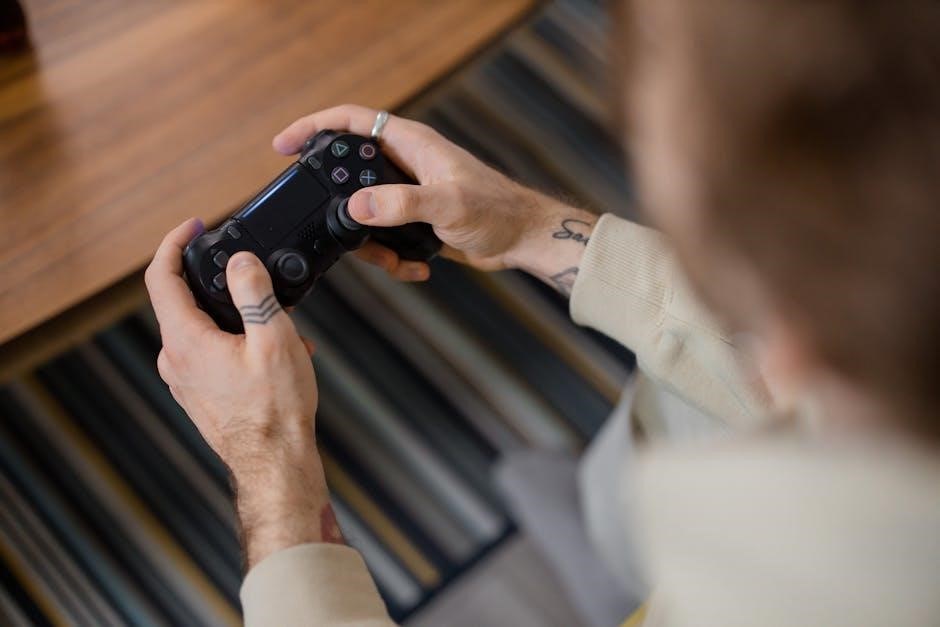
A range of accessories expanded the Wii U experience‚ including the Wii U Pro Controller for traditional gameplay․ Compatibility with Wii Remotes and sensors from the original Wii offered alternative control schemes․ Additional GamePad features and uses further enhanced functionality‚ providing diverse options for players to customize their gaming setup․
Wii U Pro Controller Details
The Wii U Pro Controller offered a more conventional gamepad design‚ favored by many for its ergonomic shape and familiar button layout․ It featured dual analog sticks‚ triggers‚ and shoulder buttons‚ providing precise control for various game genres․ Wireless connectivity ensured freedom of movement‚ enhancing the overall gaming experience․
Wii Remotes and Sensors
Wii Remotes‚ initially popular with the Wii‚ remained compatible with the Wii U‚ offering motion-controlled gameplay․ Utilizing the console’s sensor bar‚ these remotes translated player movements into in-game actions․ This innovative approach broadened the appeal of gaming‚ attracting new audiences and providing unique interactive experiences․
Additional GamePad Features and Uses
Beyond gaming‚ the Wii U GamePad functioned as a versatile second screen for various applications․ Users could browse the internet‚ watch videos‚ and even utilize it as a TV remote․ Its built-in microphone and camera enabled video chat and unique gameplay interactions‚ expanding its utility beyond traditional console control․
Safety Precautions and Warranty Information
Prioritize safety by following all provided warnings regarding power‚ ventilation‚ and handling of the Wii U console and accessories․ Nintendo’s warranty covers defects in materials and workmanship for a limited period․ Review the detailed warranty documentation for specific terms‚ conditions‚ and procedures for claiming service or repair․
Wii U Console Specifications
The Wii U console boasts detailed specifications including its processor‚ memory‚ storage capacity‚ and video output resolutions․ It supports 1080p HD graphics and features built-in Wi-Fi connectivity․ Understanding these technical details aids in optimizing performance and compatibility with various games and accessories‚ ensuring a smooth gaming experience․
Cleaning and Maintaining Your Wii U
Regular cleaning extends the lifespan of your Wii U console․ Use a soft‚ dry cloth to wipe the exterior‚ avoiding liquids․ Ensure vents are free of dust for optimal cooling․ The GamePad screen requires gentle cleaning with a microfiber cloth․ Proper maintenance prevents overheating and ensures reliable performance‚ preserving your gaming investment․
Frequently Asked Questions (FAQ)
This section addresses common user inquiries regarding the Wii U console․ Questions cover setup‚ connectivity‚ game compatibility‚ and troubleshooting․ Find solutions for controller issues‚ error codes‚ and online services․ Explore answers about Wii Mode‚ backwards compatibility‚ and maximizing your gaming experience․ Consult this FAQ for quick resolutions to frequently encountered problems․
Support and Resources
Need assistance with your Wii U? This section provides links to Nintendo’s official support website for troubleshooting‚ manuals‚ and FAQs․ Discover community forums where users share solutions and tips․ Explore resources for system updates‚ error code explanations‚ and accessory information․ Find contact details for Nintendo’s customer service team for personalized support․

Legal Information and Disclaimers
This section outlines Nintendo’s legal terms regarding Wii U usage‚ including copyright restrictions and warranty limitations․ It details disclaimers concerning online services‚ software compatibility‚ and potential system malfunctions․ Review the Nintendo Network Agreement and privacy policies for data handling practices․ Understand limitations of liability and dispute resolution processes․
Wii U System Updates
Regular system updates are crucial for optimal Wii U performance and security․ These updates‚ delivered via the internet‚ enhance system stability‚ add new features‚ and address potential vulnerabilities․ Ensure a stable network connection during updates․ Automatic updates can be enabled in system settings‚ or updates can be manually initiated․
Wii U Gamepad Charging
The Wii U GamePad requires regular charging for uninterrupted gameplay․ Utilize the included AC adapter and connect it to the GamePad’s charging port․ A full charge typically takes several hours․ The GamePad displays the remaining battery life on-screen․ Avoid prolonged exposure to extreme temperatures during charging to maintain battery health․
Wii U Data Backup and Restore
Protect your game saves and digital purchases with the Wii U’s data backup feature․ Back up data to a USB storage device․ In case of system failure or replacement‚ you can restore your data from the backup․ Regularly backing up ensures minimal data loss‚ preserving your progress and downloaded content․
Wii U Error Codes
Encountering issues? The Wii U utilizes error codes to pinpoint problems․ These codes appear during gameplay or system operation‚ indicating software or hardware malfunctions․ Consult Nintendo’s support website‚ referencing the specific error code displayed‚ for troubleshooting steps and potential solutions․ Understanding these codes aids in efficient problem resolution․